An international media laboratory for historical content creators on the ethical use of digital tools in the age of AI
Armenia, France, Germany
may → december 2026
MemoActs 2026:
A hybrid international media laboratory for historical content creators on the ethical use of digital tools in the age of AI. Bringing together educators, memory and media activists, museum and archive professionals, and other emerging public-history practitioners aged 18–30 from Armenia, France, and Germany, the programme works to counter digital disinformation and the misuse of AI models by promoting technological diversity, historical multiperspectivity, and transnational cooperation.
MemoActs 2026 is developed under the direction of the Museum Berlin-Karlshorst, in partnership with the Center for Independent Social Research (Berlin) and the Cultural and Social Narratives Laboratory (Yerevan).
Participants
30 online · 16 in Berlin
age
18-30
geography
Armenia, france, germany
output
8 short documentary videos
The programme was built for people who already make history public — and who had to decide what AI does to that work.
Educators
teachers and non-formal educators working with twentieth-century history
Memory and media activists
practitioners running independent memory initiatives and media projects
Museum and archive professionals
curators, archivists, and digital collections staff
Emerging public historians
researchers and creators publishing history outside the academy
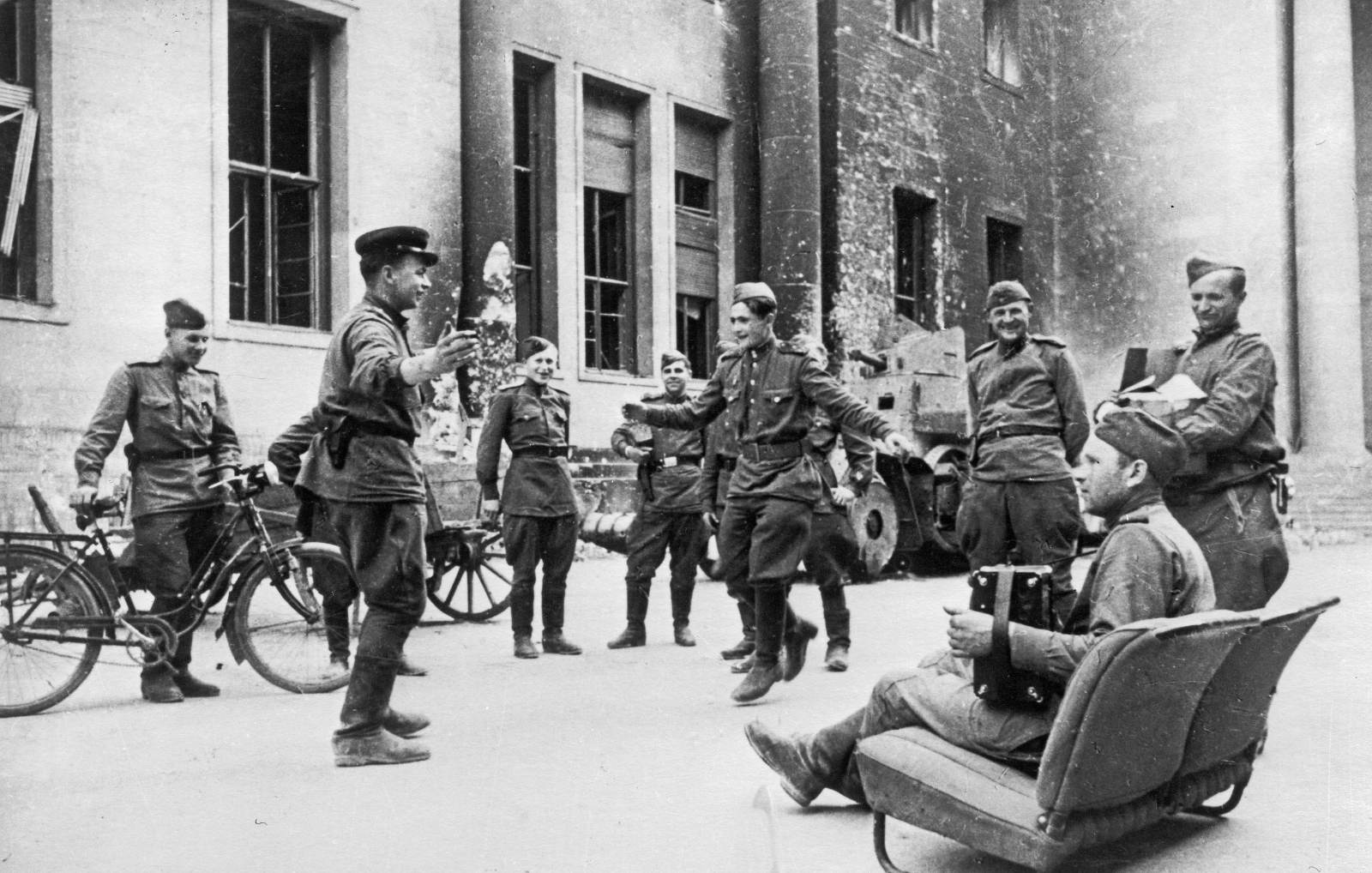
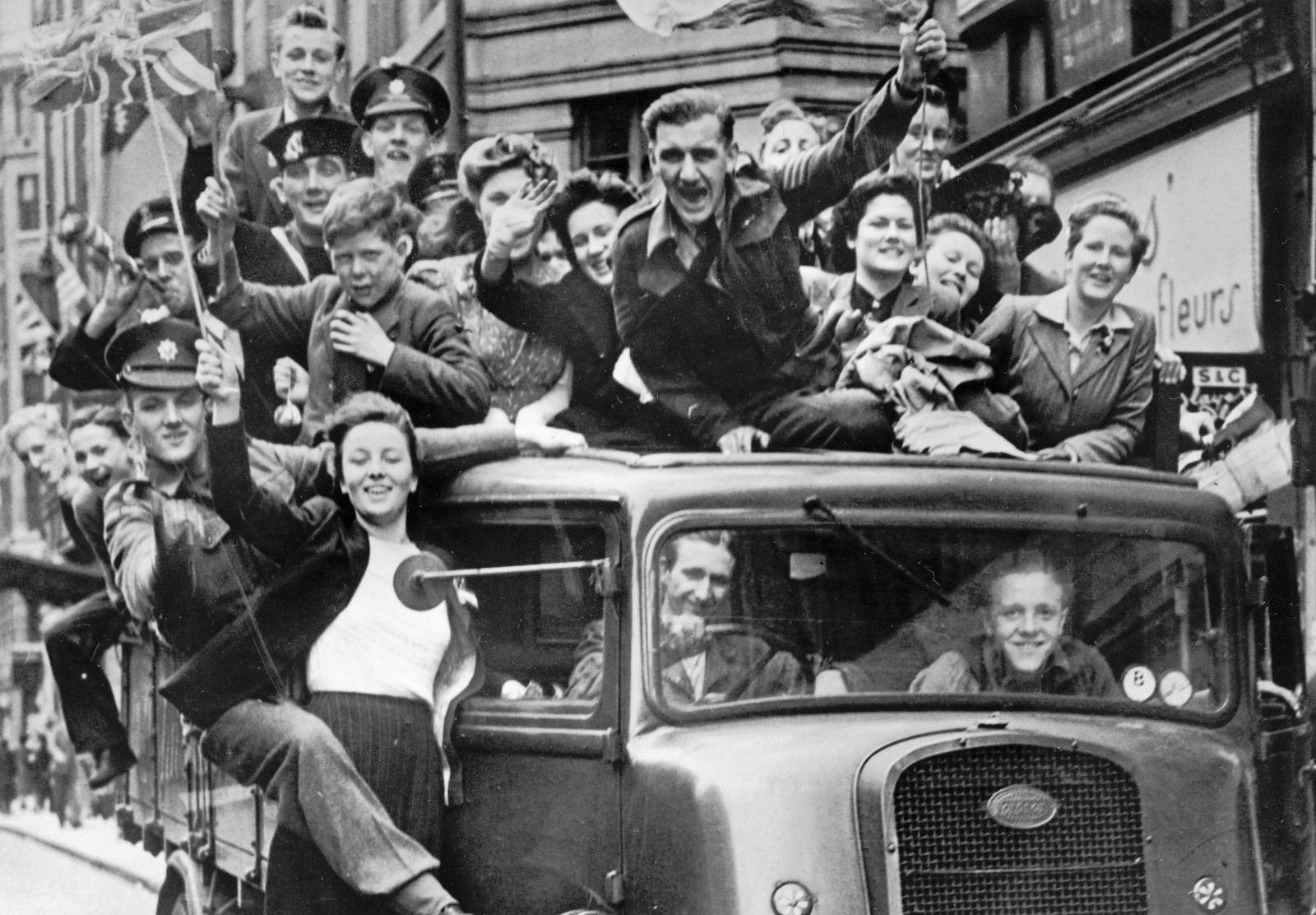
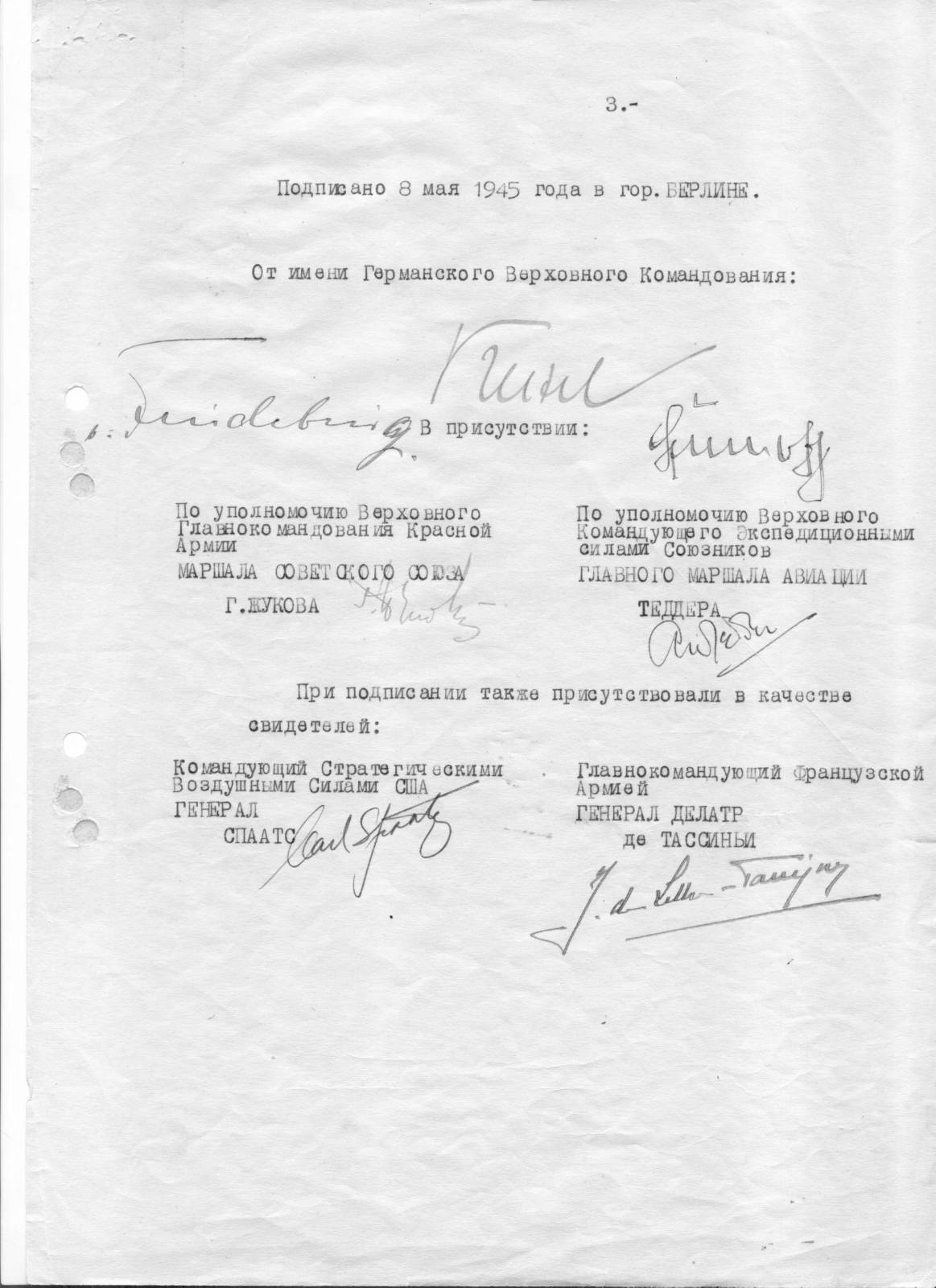
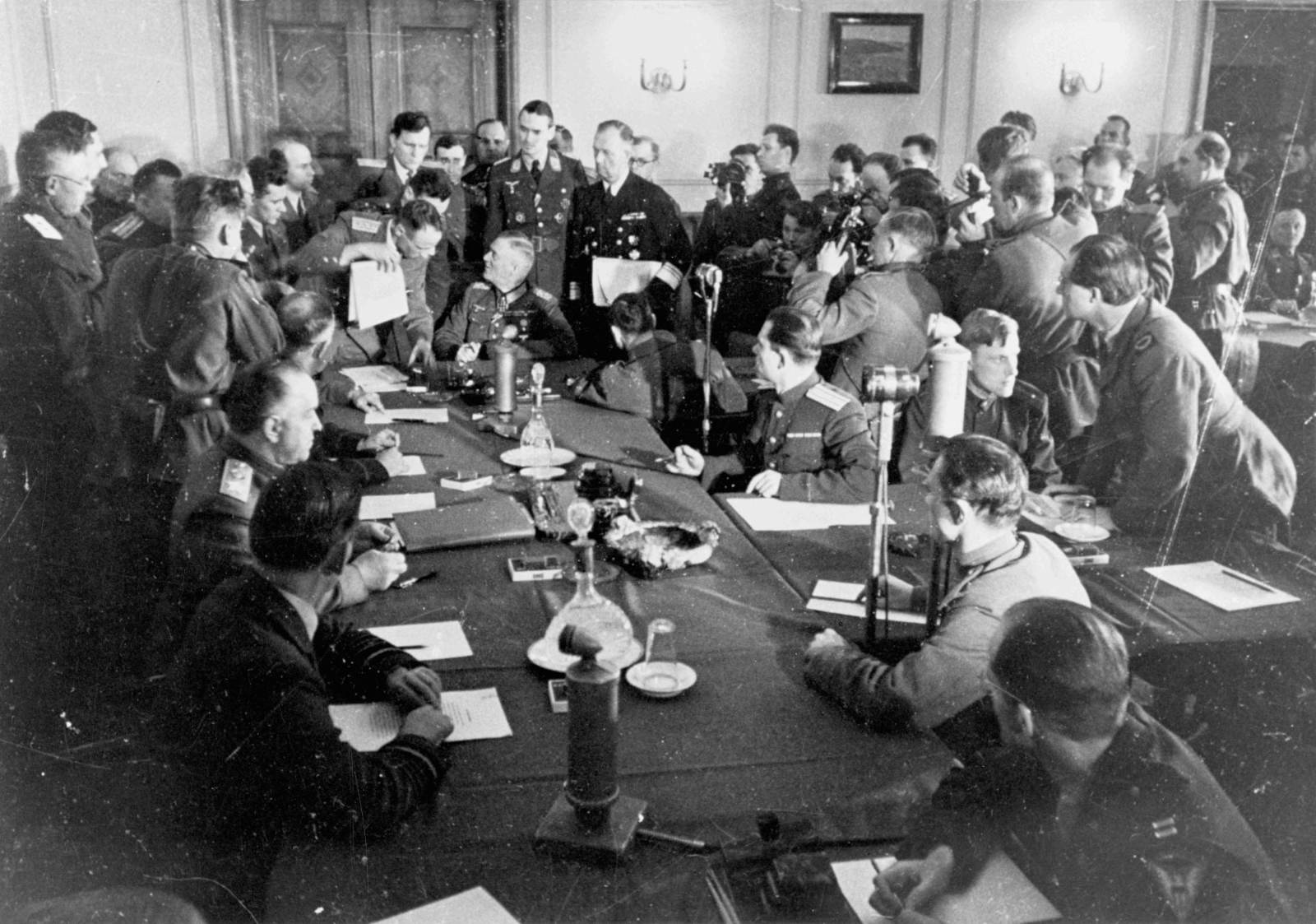
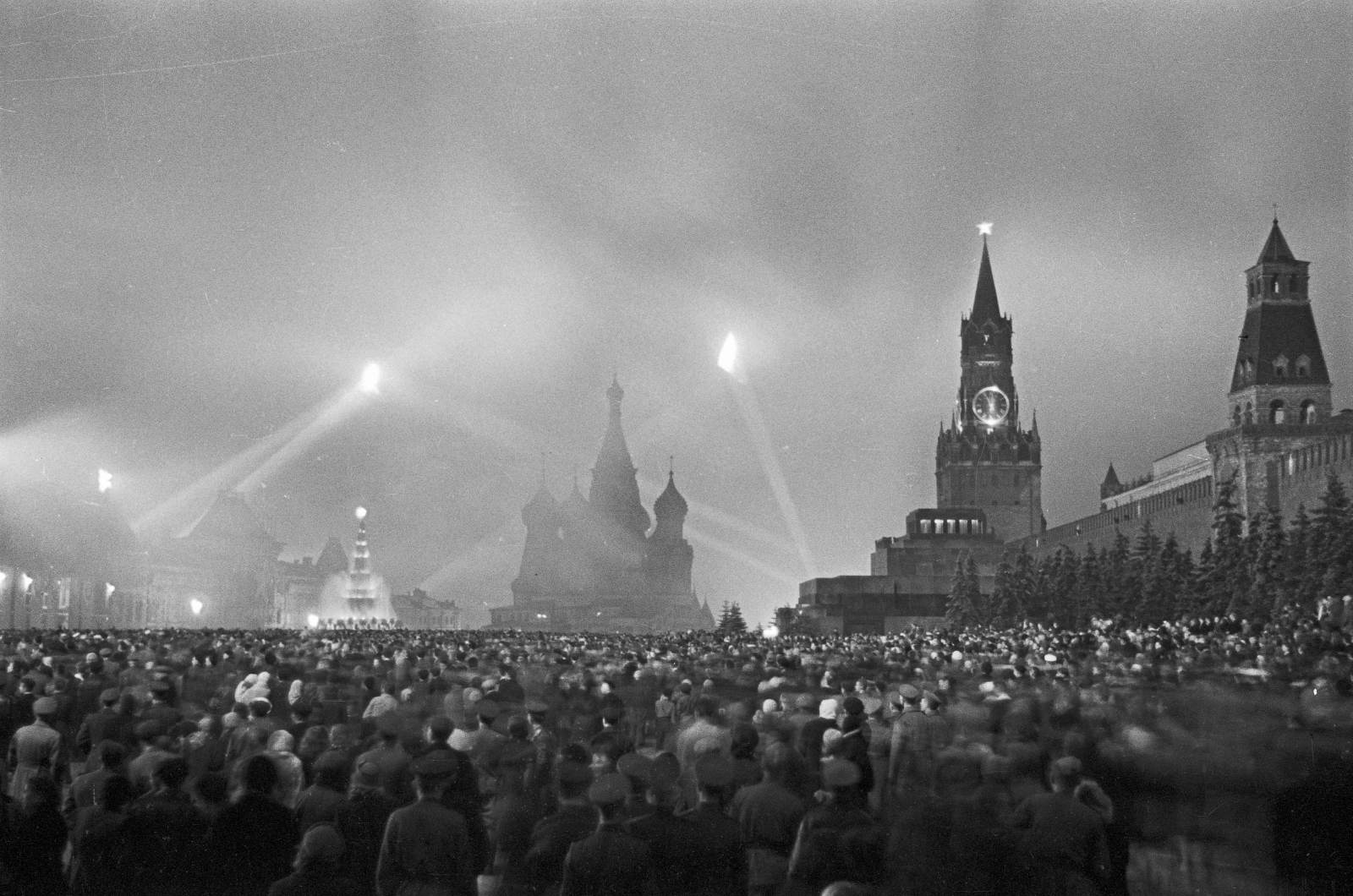
How do wars end?
Over four weeks, thirty participants moved through the full production chain of a short historical video — from choosing a subject to the first public screening. Each session paired a critical question about historical evidence with the hands-on tools to act on it.
format
7 online sessions, 2 hrs each
dates
14.08.26 — 7.09.26
language
english
cost
free
The creator's
workflow
The curriculum follows the seven steps most short-video creators actually go through. We call it the creator's workflow.
14.08
01
Introduction and Finding the Focus
Looking for an idea and topic
18.08
02
Research Phase — AI-powered or AI-distorted
Research — collecting and verifying facts and visuals
21.08
03
Ethics and Techniques of Intervening in Archival Footage + Creating a Moodboard
Archival material — deciding how to present the document
25.08
04
Editing as a Way of Thinking Through a Fragmented Reality — script workshop
Write a script and record a voiceover
27.08
05
Tools Implementation: Choose What Works For You or Build Your Own
Assembling the visuals with the tools that fit one's specific workflow
02.09
06
Production Process: Visual Effects and Sound Design
Polish — subtitles, visual effects, sound design
07.09
07
Final Screening and Wrap-Up Discussion
Pre-publication screening and evaluation
16 projects came out of the seven sessions. What changed along the way was less the craft than the decision: which document to trust, what to cut, and when to let the archive speak for itself. The fragments shown here are the selection of works in progress, presented at the final screening on 7 September 2026.
Museum Berlin-Karlshorst
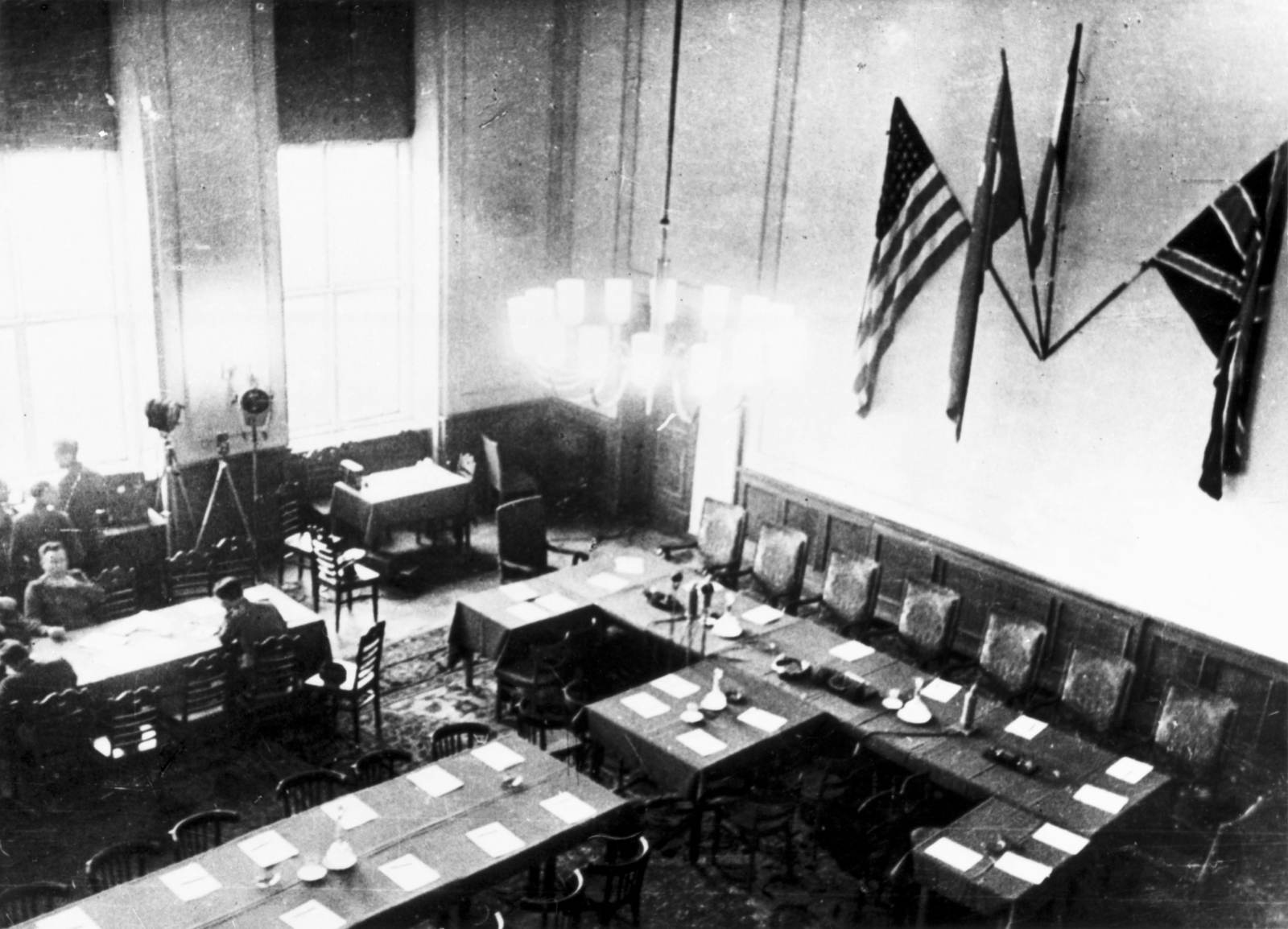
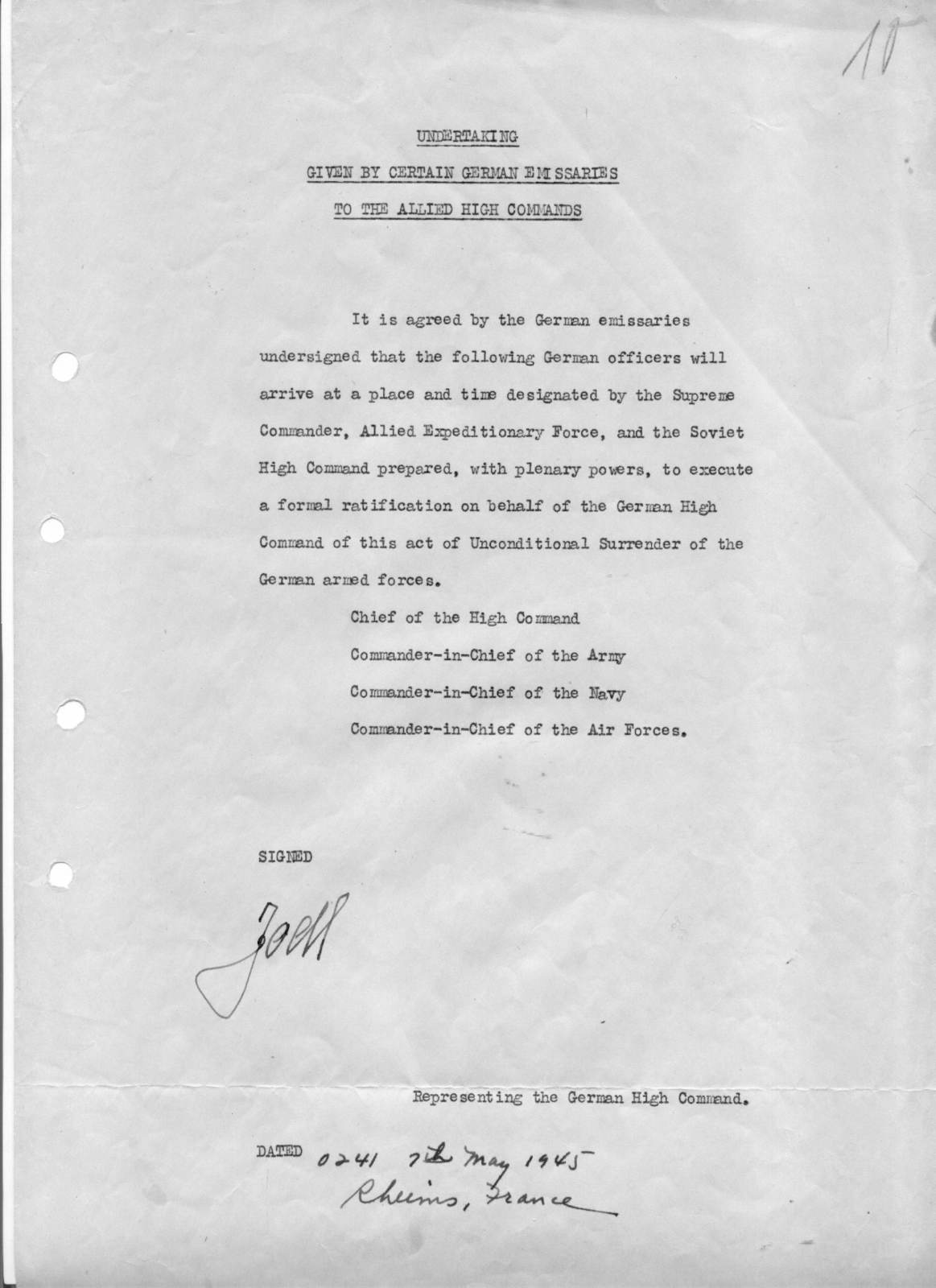
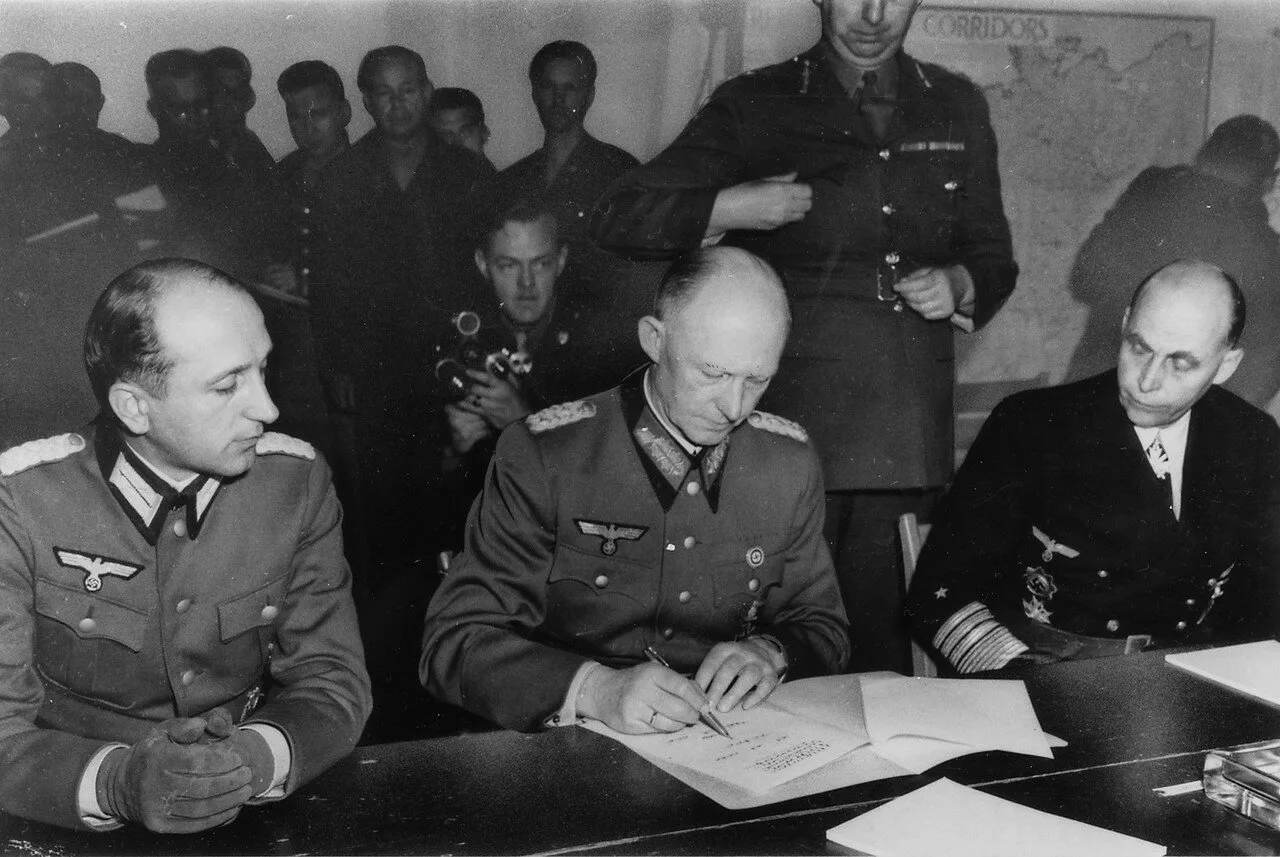
Sixteen participants selected from the online course met for five days at the Museum Berlin-Karlshorst — the building where the German surrender was signed in May 1945. The workshop moved from screen practice to shared production: working with open-source AI tools on the museum's own material, and testing what those tools do to a historical document when you use them in the same room as the archive that holds it.
format
platforms
[VIDEO 9:16] [VIDEO 4:5] [VIDEO 1:1]
Instagram, Telegram, TikTok, YouTube
Eight short documentary videos produced by the participants, each built on a single historical document. Released across Instagram, Telegram, TikTok, and YouTube from October 2026.
implementing partners
Museum Berlin-Karlshorst
CSN Lab (Cultural and Social Narratives Laboratory, Yerevan)
CISR e.V. (Center for Independent Social Research, Berlin)
funders
Eastern Partnership Programme
Erasmus+
MemoActs 2026 is developed under the programme "Expanding Cooperation with Civil Society in the Eastern Partnership Countries and Russia" held by Germany Federal Foreign Office.
MemoActs 2026 is implemented within the EU Programme Erasmus+. This publication reflects the views only of the author, and the European Commission cannot be held responsible for any use which may be made of the information contained therein.
Was the course free?
Yes. MemoActs 2026 was fully grant-funded — participation, tools, and materials cost participants nothing.
What language was it taught in?
English, throughout the online course and the Berlin workshop.
Did participants need prior experience?
No. The group mixed complete beginners with working video producers, and assignments were tiered accordingly. Teams were built so that experience was shared rather than assumed.
What tools did the course use?
Open-source and cloud AI tools, with an emphasis on technological diversity — the point was to compare tools critically, not to train people on one commercial product.
What did participants come away with?
A finished short documentary video, a working method for verifying historical material in an AI-saturated environment, and a network of practitioners across three countries.
Will the programme run again?
The MemoActs team is working on the new edition. More details in spring 2027.
An international media laboratory for historical content creators on the ethical use of digital tools in the age of AI
Armenia, France, Germany
may → december 2026
MemoActs 2026:
A hybrid international media laboratory for historical content creators on the ethical use of digital tools in the age of AI. Bringing together educators, memory and media activists, museum and archive professionals, and other emerging public-history practitioners aged 18–30 from Armenia, France, and Germany, the programme works to counter digital disinformation and the misuse of AI models by promoting technological diversity, historical multiperspectivity, and transnational cooperation. MemoActs 2026 is developed under the direction of the Museum Berlin-Karlshorst, in partnership with the Center for Independent Social Research (Berlin) and the Cultural and Social Narratives Laboratory (Yerevan).
Participants
30 online · 16 in Berlin
age
18-30
geography
Armenia, france, germany
output
8 short documentary videos
The programme was built for people who already make history public — and who had to decide what AI does to that work.
Educators
teachers and non-formal educators working with twentieth-century history
Memory and media activists
practitioners running independent memory initiatives and media projects
Museum and archive professionals
curators, archivists, and digital collections staff
Emerging public historians
researchers and creators publishing history outside the academy
How do wars end?
Over four weeks, thirty participants moved through the full production chain of a short historical video — from choosing a subject to the first public screening. Each session paired a critical question about historical evidence with the hands-on tools to act on it.
format
7 online sessions, 2 hrs each
dates
14.08.26 — 7.09.26
language
english
cost
free
The curriculum follows the seven steps most short-video creators actually go through. We call it the creator's workflow.
01
14.08
Introduction and Finding the Focus
Looking for an idea and topic
02
18.08
Research Phase — AI-powered or AI-distorted
Research — collecting and verifying facts and visuals
03
21.08
Ethics and Techniques of Intervening in Archival Footage + Creating a Moodboard
Archival material — deciding how to present the document
04
25.08
Editing as a Way of Thinking Through a Fragmented Reality — script workshop
Write a script and record a voiceover
05
27.08
Tools Implementation: Choose What Works For You or Build Your Own
Assembling the visuals with the tools that fit one's specific workflow
06
02.09
Production Process: Visual Effects and Sound Design
Polish — subtitles, visual effects, sound design
07
07.09
Final Screening and Wrap-Up Discussion
Pre-publication screening and evaluation
16 projects came out of the seven sessions. What changed along the way was less the craft than the decision: which document to trust, what to cut, and when to let the archive speak for itself. The fragments shown here are the selection of works in progress, presented at the final screening on 7 September 2026.
Museum Berlin-Karlshorst
Sixteen participants selected from the online course met for five days at the Museum Berlin-Karlshorst — the building where the German surrender was signed in May 1945. The workshop moved from screen practice to shared production: working with open-source AI tools on the museum's own material, and testing what those tools do to a historical document when you use them in the same room as the archive that holds it.
format
platforms
Eight short documentary videos produced by the participants, each built on a single historical document. Released across Instagram, Telegram, TikTok, and YouTube from October 2026.
[VIDEO 9:16] [VIDEO 4:5] [VIDEO 1:11]
Instagram, Telegram, TikTok, YouTube
CISR e.V.
(Center for Independent Social Research, Berlin)
Erasmus+
MemoActs 2026 is implemented within the EU Programme Erasmus+. This publication reflects the views only of the author, and the European Commission cannot be held responsible for any use which may be made of the information contained therein.
Was the course free?
Yes. MemoActs 2026 was fully grant-funded — participation, tools, and materials cost participants nothing.
What language was it taught in?
English, throughout the online course and the Berlin workshop.
Did participants need prior experience?
No. The group mixed complete beginners with working video producers, and assignments were tiered accordingly. Teams were built so that experience was shared rather than assumed.
What tools did the course use?
Open-source and cloud AI tools, with an emphasis on technological diversity — the point was to compare tools critically, not to train people on one commercial product.
What did participants come away with?
A finished short documentary video, a working method for verifying historical material in an AI-saturated environment, and a network of practitioners across three countries.
Will the programme run again?
The MemoActs team is working on the new edition. More details in spring 2027.